
Which fabric goes where on a stroller
A stroller uses several fabrics, each doing a different job. The outside must handle weather, while everything near the child must be soft and breathable.
This guide reflects the materials we typically source and sew at Tututis Textil. Final choices depend on your product, standards and budget.
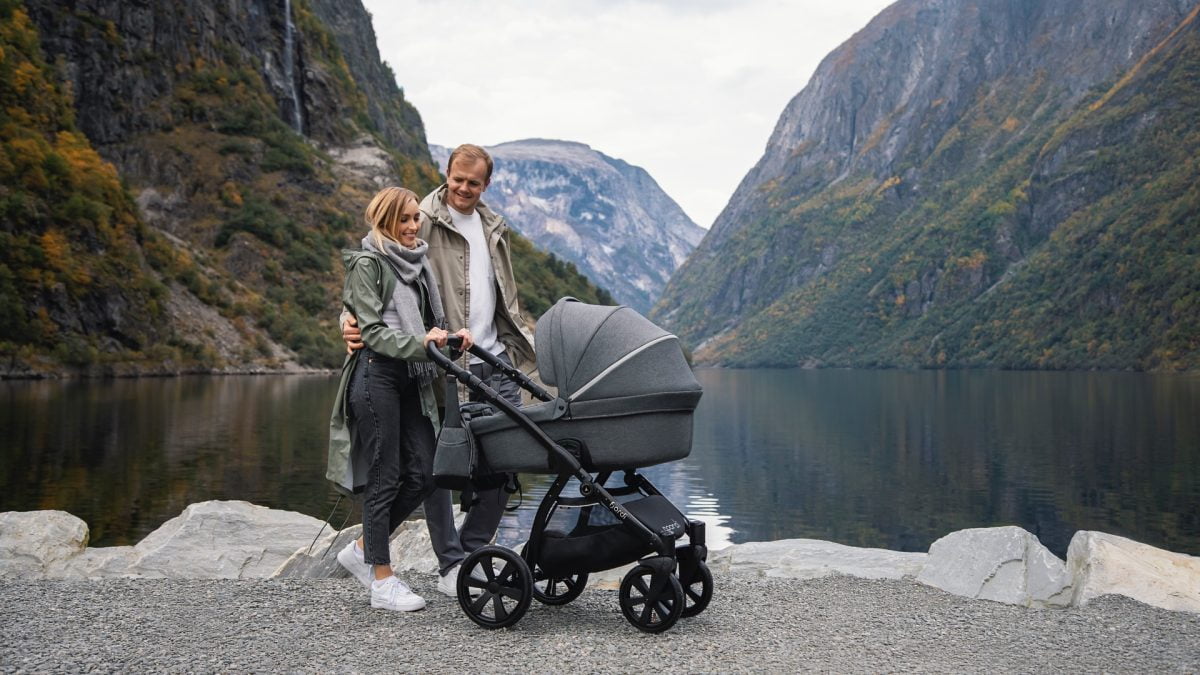
Typical materials by stroller part
Hood and canopy
Needs to hold its shape and handle sun and rain.
Seat unit
Combines durability with airflow.
Liners
Soft against the skin and easy to wash.
Footmuff
Warmth for colder months.
Handles and bumper bars
Takes daily handling.
Safety details
Improves visibility.
Fabric choice and product safety
Strollers sold in Europe are commonly tested to EN 1888. Fabric choice can affect a product’s test results, so involve your test plan early. If your materials must carry a label such as OEKO-TEX, say so before sourcing starts.
Frequently asked questions
What fabric is used for stroller hoods?
Typically water-repellent polyester canvas or oxford, often with UV-resistant properties.
What fabric is used for stroller liners?
Typically cotton or bamboo-blend jersey, chosen for softness against the skin.
What is EN 1888?
EN 1888 is the European safety standard for wheeled child conveyances, including strollers.
Need a manufacturer for your sewn product?
Send us your drawings, samples or tech pack. We will reply with a proposal, a quote and lead times.